MASONRY REPOINTING
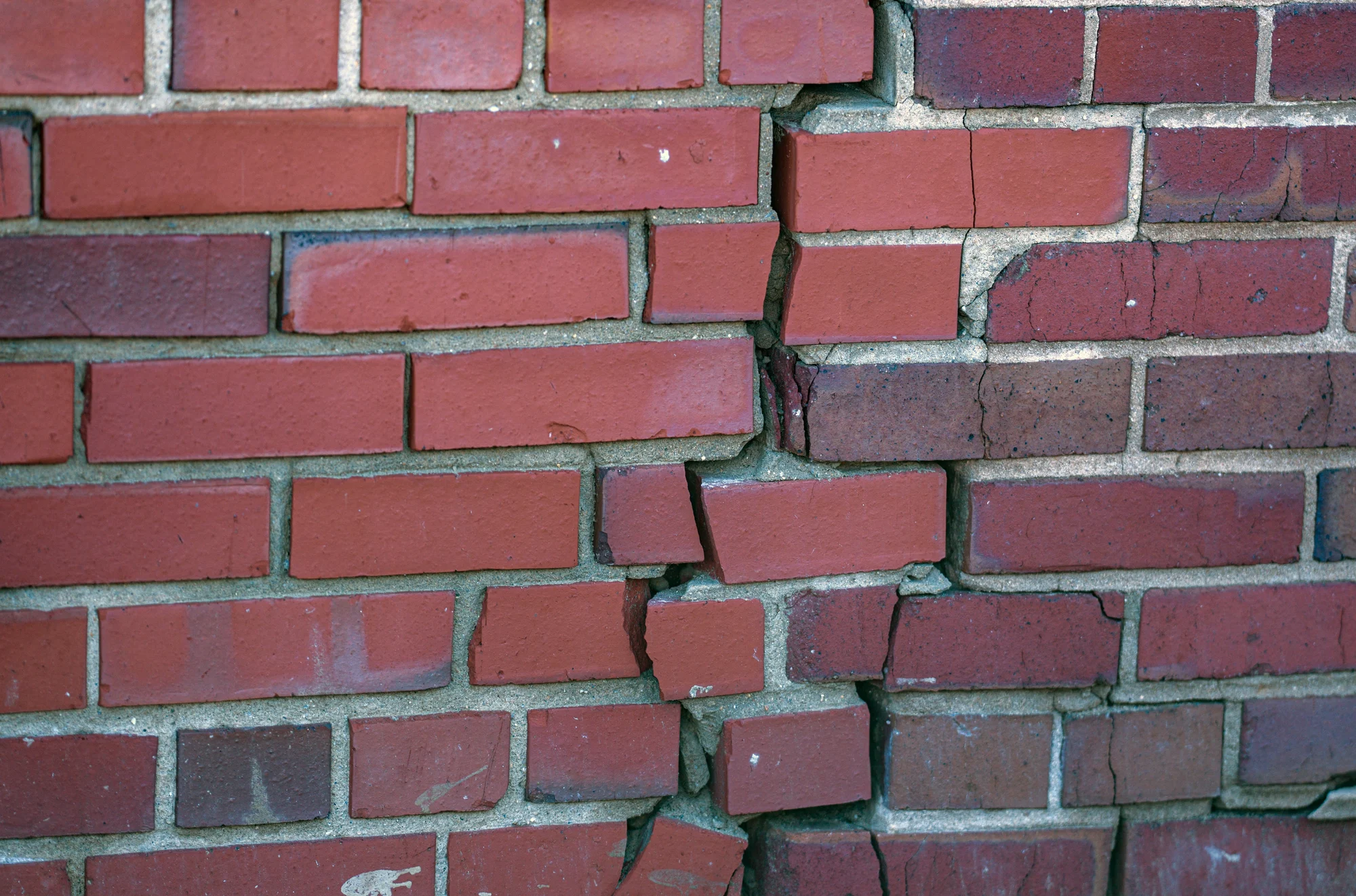
Replacement of mortar joints damaged by freeze-thaw cycles. Mortar specifically formulated to match your original masonry: strength, flexibility and period appearance. Your facade regains its total watertightness and its original appearance, without replacing unnecessary bricks.
00:00
/
00:00
THE JOINT IS WHAT HOLDS YOUR WALL TOGETHER
The mortar between your bricks is not decorative. It is he who prevents water from entering, who absorbs the movements of the building and who distributes the loads. When it crumbles, the entire facade is compromised.
Repointing involves removing deteriorated mortar to a controlled depth and replacing it with a mixture formulated for your type of masonry. Not a generic hardware mortar, a mortar that matches the hardness, color, and flexibility of the original. It's the difference between a job that lasts 30 years and one that starts to break again the following year.
OUR INTERVENTION
Your repointing in good hands
RBQ certified, a CCQ and AEMQ member, MBNL coordinates the complete repair of your envelope with more than 20 years of experience. A single point of contact, work guaranteed.
TRAINED BY THE BEST
Our expertise comes from the largest commercial projects in Quebec.
MENTORED BY THE PIONEERS
Formed directly by the founders of the AEMQ. Same standards.
RBQ 4.1 license active
The only license that authorizes work on stone. The majority of foundation contractors only hold the concrete license.
UNIVERSITY EDUCATION IN STRUCTURE
Our construction site decisions are based on materials science.
WE KNOW YOUR NEIGHBORHOODS
Each era of construction, each type of brick, each local regulation.
DIAGNOSIS BEFORE QUOTATION
Free on-site inspection. We tell you what we see, not what we want to sell.
Our projects, our results

All you need to know about repointing
Does the repointing include cleaning the construction site?
Yes. One complete cleaning of the construction site is systematically included in all our contracts. At the end of the work, your property is left in a clean condition. One post-construction follow-up is also provided by our team to confirm your satisfaction.
What is the duration of a repointing project?
- Partial joining (a section or a facade): 1 to 3 days
- Complete renovation of a duplex : 1 to 2 weeks
A precise schedule is included in your quote, provided under 24 hours after the diagnosis on site.
What is the minimum depth for compliant repointing?
According to current standards, the minimum bleeding depth is 20 mm before applying the new mortar. Below this depth, the new joint does not offer sufficient grip and can peel off quickly. MBNL consistently complies with this standard on all its construction sites.
How often should masonry joints be redone?
Quebec freeze-thaw cycles are particularly aggressive for mortar joints. As a general rule, joining is recommended every 20 to 30 years, depending on the exposure of the facade, the quality of the original mortar and the maintenance carried out. Some warning signs justify intervention sooner: joints that are hollow or friable to the touch, water seepage into the wall, bricks that start to move slightly. To know the status of your facade, ask for a free inspection At 438.225.2169.
Can repointing take place in winter in Quebec?
Joining works require temperatures in excess of 5 °C so that the mortar can set properly. They are therefore generally carried out from spring to autumn. In some cases, temporary protective measures (heated shelter) make it possible to extend the working season, but we advise you to plan the work during the favorable season to achieve the best results. Contact us at 438.225.2169 to reserve your place on the calendar.
What is the purpose of masonry repointing?
Rejoining involves removing worn or degraded mortar joints and replacing them with new mortar. This work fulfills three essential functions: strengthen the wall structure, waterproof the siding against water ingress and ensure a fine workmanship that restores the facade to its original appearance. It is one of the most effective maintenance actions to extend the life of a brick facade.
JOINTS AT THE END OF THEIR LIFE? TAKE ACTION BEFORE THE DAMAGE
Repointing prevents water from entering and extends the life of your masonry by several decades. Contact us for a quick quote and a clear schedule.
Masonry services
Discover all of our masonry and concrete services